Written By Ayman
Malawi is a land of contrasts. Rolling green hills, vast blue skies, and the rich wildlife of its national parks paint a picture of serenity for the casual visitor. But tucked away in its countless villages lies a harsher reality, one of widespread poverty, unemployment, and chronic undernourishment.
This was my second visit to Malawi, and though I came better prepared, witnessing hardship is never easy.
What greets you in a typical Malawian village is not despair, but unity. A community that survives through cooperation. Doors are left open. Children slip freely in and out of each other’s homes. If the lady of one house doesn’t see smoke rising from her neighbour’s kitchen at dinnertime, she’ll share whatever little food she has. Water is fetched from wells often kilometres away, a task usually assigned to the children, who end up missing school as a result. Homes are small, built from handmade bricks and topped with corrugated iron sheets. And even this modest shelter is a privilege.
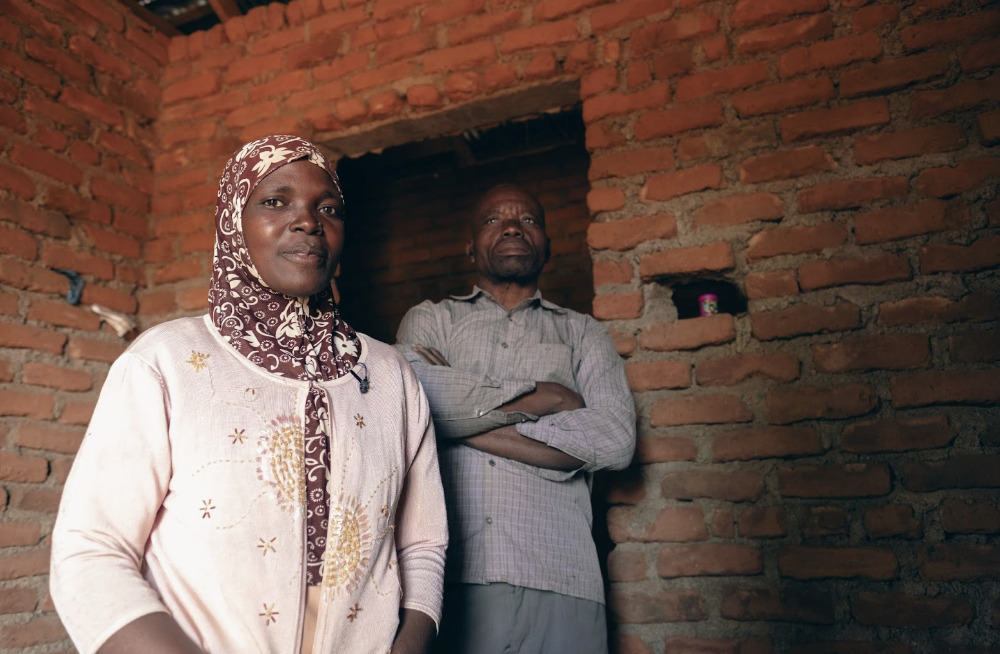
We met a couple, Belita and Anderson, who live on a construction site, acting as informal guards in exchange for a place to stay. Their children sleep on dusty floors, surrounded by hazards like exposed nails and unfinished masonry.
When we asked Anderson about the men who leave their families to find work abroad, he replied with gentle conviction: “Families are supposed to stay together through good and bad. I’ve never heard of anyone who returned with anything worthwhile.”
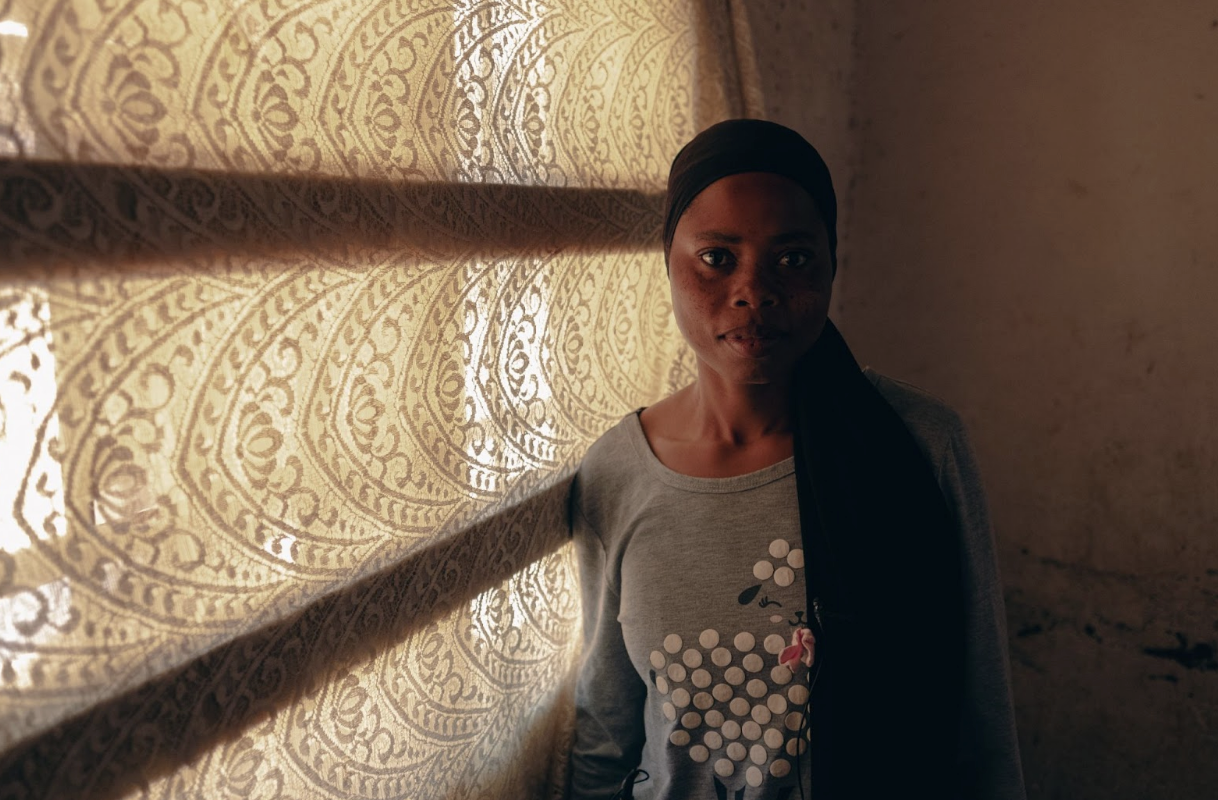
In a neighbouring home, we met Sister Hamida, a mother of three. Her husband had left for South Africa to find work. To support her family, Hamida collects sand from the riverbanks and sells it to construction companies.
She echoed the same sentiment as Belita and Anderson: the local Charity Right-sponsored madrasa was a lifeline. It not only taught their children Islamic values and good character, it also provided meals. That daily plate of food meant one less worry. Both families embodied a deep resilience and unwavering trust in Allah, despite having little hope of long-term change.
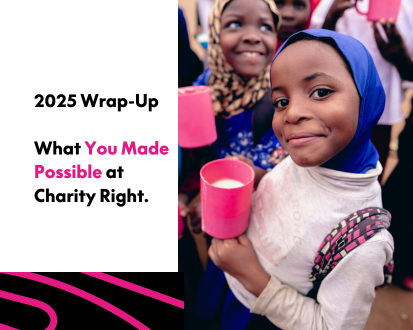
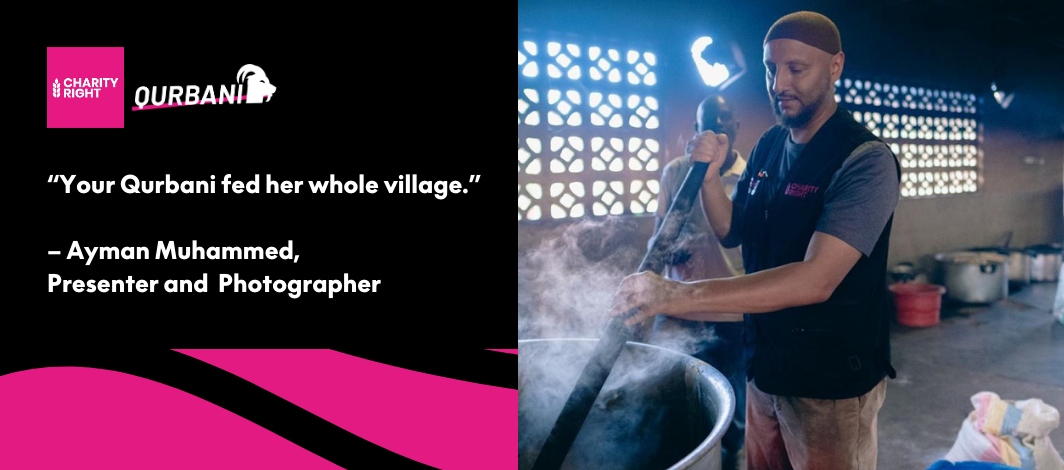
As Eid approached, there was a sense of anticipation at one of the schools, where Charity Right provides 690 school meals each day. To make this happen, the cooks begin preparing fortified porridge just after dawn.
For many students, it’s the only meal they’ll have all day. My heart sank when a few children ran up to our car, asking if we had any food or snacks. They had arrived too late for breakfast. Evelyn, the school’s lively and committed headteacher, explained how vital this meal was, not just for nutrition, but for the children’s ability to learn, focus, and play.
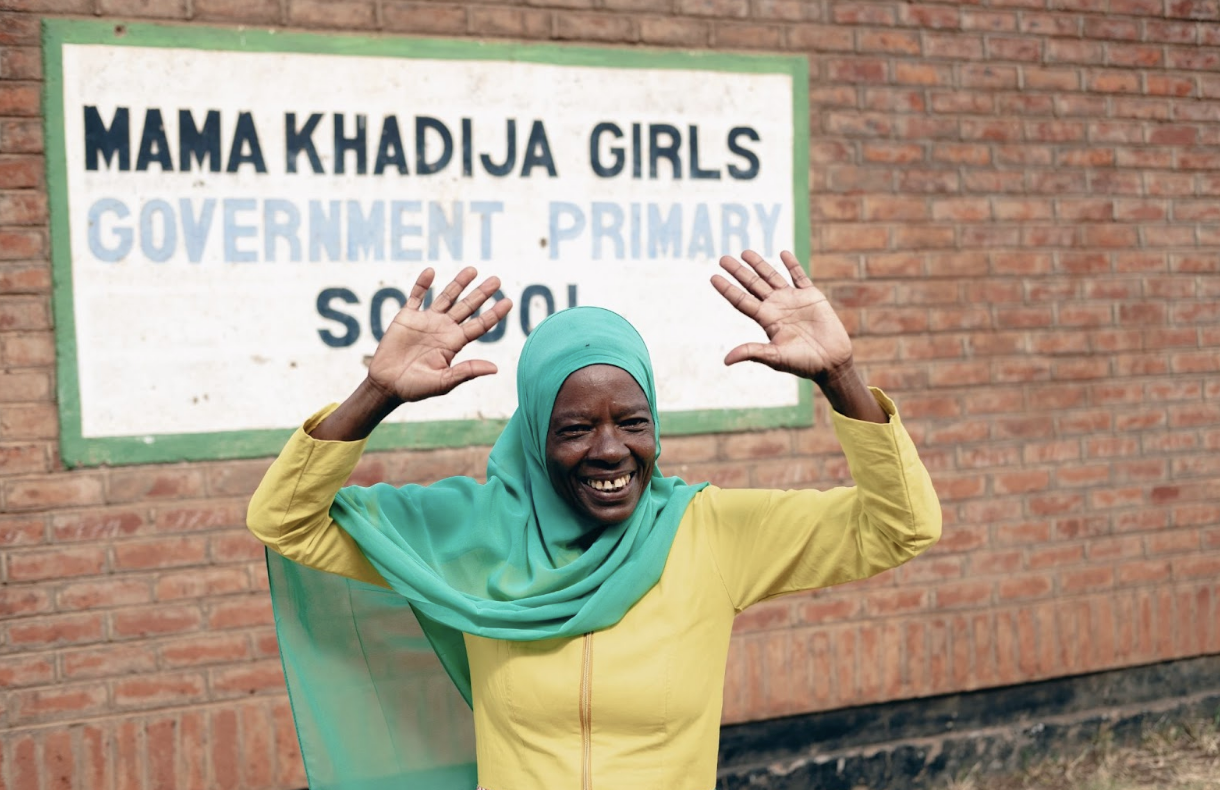
Evelyn later introduced us to Qasim and Aisha, a couple who raise goats for sale. They can’t afford to eat the goats they raise, they need the money to buy fertiliser to grow the 70kg of maize that will feed their family for the year.
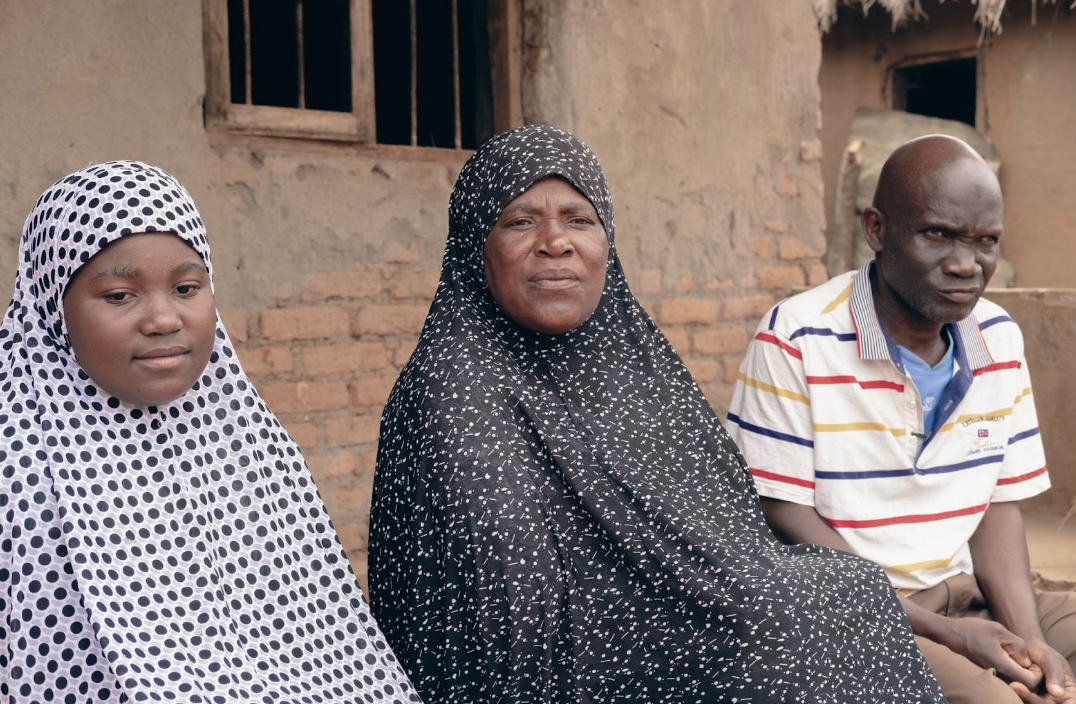
This year, Charity Right is purchasing 150 goats for Qurbani from local farmers like them, strengthening the local economy while fulfilling a sacred duty. These goats are checked, cared for, and then distributed across the three days of Eid to feed the children and their families.
On the morning of Eid, we gathered early at the central masjid near the school. It felt like the entire town had turned up, dressed in vibrant colours and full of joy. After prayer, people hugged, took photos, and shared well-wishes.
Meanwhile, the goats had been transported to the school, and the Qurbani was underway. This sacrifice, rooted in the story of Prophet Ibrahim (AS) and his son, is a reminder of faith, obedience, and mercy. Most of us could never imagine making such a sacrifice. But feeding the poor with a goat is within reach, and the reward is immense.
Soon after, mothers and their children began arriving to collect their meat portions. Many told us this would be the only time they’d eat meat all year.
I asked some children what their favourite food was, expecting them to say meat, but they surprised me. Some said nsima, others rice, some even vegetables. When I asked why not meat, they simply said, “We don’t have it enough to miss it.”
After the joyful bustle at the school, we were invited to visit Fatima’s home. A mother of three, she had been left by her husband and now struggles daily to make ends meet. Her two eldest children attend the Mama Khadija school.
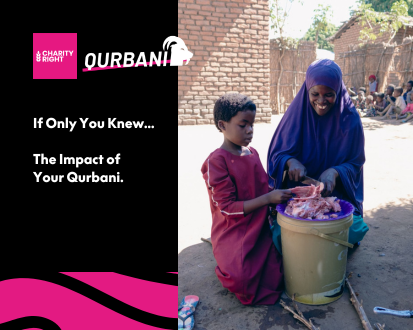
As she cooked the Qurbani meat over a small woodfire, with her children helping to prepare nsima and vegetables, she still found a way to share some with neighbourhood children. It was humbling.
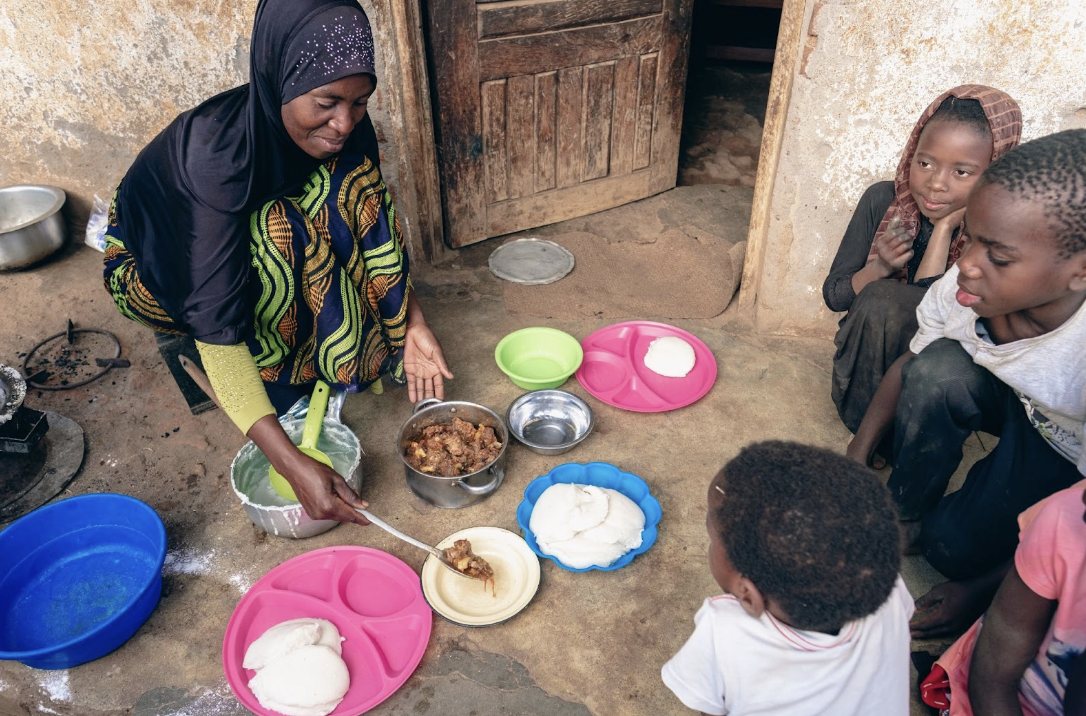
And it was here, in her modest home, that the journey of this year’s Qurbani came full circle. What began as a simple act of fulfilling a religious obligation ended with nourishment for struggling farmers, abandoned mothers, and hungry children.
Often, all we see is a receipt in our inbox. But I was honoured to witness the reality behind it. Your Qurbani donation doesn’t just provide meat, it restores dignity, brings joy, and strengthens entire communities. It ensures no one is left out of the celebration that Eid represents.
From £60, give your Qurbani with purpose. Give where it matters.