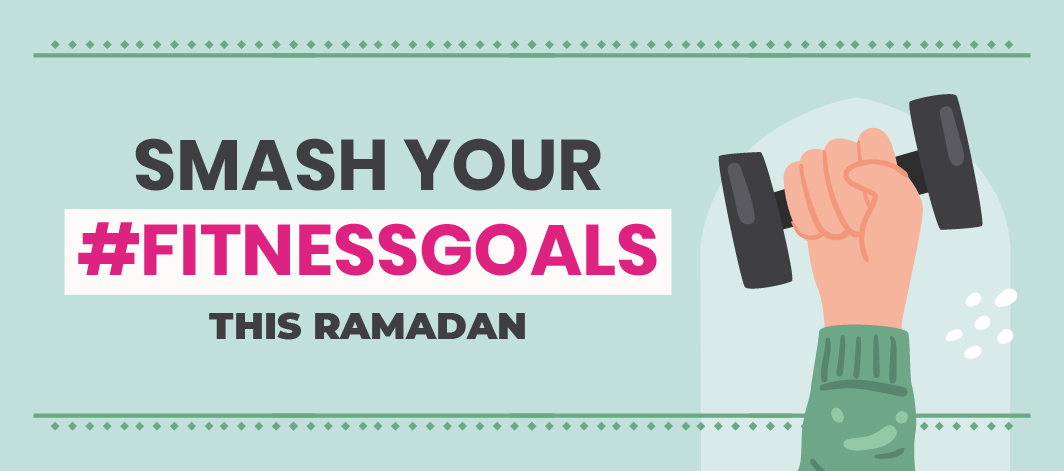
In January 2021, there were about 1.4 million Google searches for “how to lose weight fast”. To put that into context, that’s about 3 searches every minute. Wanting to lose weight is nothing new – it’s one of the most popular goals out there, along with getting more fit.
But with Ramadan’s 30 days of fasting comes its pros and cons when it comes to these goals.
On the one hand, fasting can help you lose body weight faster, but because of the stress it puts on your body, you might have to pause your usual exercise regimen. But by following a few steps, you can still lose weight and improve your fitness effectively.
How Should I Eat During Ramadan
When you want to lose weight, you just need to apply a simple mathematical principle; use more calories throughout the day than you take in.
Of course, this is far easier when you’re fasting, hence why so many plan on losing weight during the holy month of Ramadan. But it’s even more effective when combined with regular exercise and an active day. No one lost weight lying on the couch! But you do need to think things through and plan ahead to lose weight during Ramadan.
Plan Your Meals
Even though it’s Ramadan and you fast while the sun is up, it’s important to still eat the same quality and quantity of food during iftar and suhor that you would during any other time of the year. That’s why it’s wise to plan in advance what you’re going to be eating – you don’t want to succumb to temptation and eat more than usual when the sun goes down!
Try monitoring your calorie intake. It’s easy to over-eat during Ramadan, especially when you break your fast with the iftar meal. Going a whole day without food and drinking water, it’s easy to overindulge. Ensure that you chew slowly and eat your main meal at a slow pace to avoid overeating and bloating.
Think About Meal Prepping
Stick to your diet by tracking your calories and nutrition in Ramadan. Often the best way to do this is to prep meals in advance. This has a whole range of benefits: it can help you avoid temptation when you break your fast with iftar, it’s quicker, and can even be cost-effective.
But the best part is you’ve made it yourself so you know precisely what’s in it. You never know the hidden calories that might lurk in supposedly healthy food made by someone else. For example, did you know that a McDonald’s salad has a higher calorie content than a Big Mac?!
Staying Hydrated
Drinking water is vital after breaking your fast to make sure you rehydrate. Hydration is key to your body and brain working properly, and dehydration results in your body not working at its optimal rate; a lack of water affects muscle protein synthesis and even 3% dehydration can negatively impact your performance at the gym.
Try to aim between 2 to 3 litres of water between iftar and suhoor. Ideally drink water – avoid sugary drinks, like fruit juices, and try to stay away from foods that are high in salt since they’ll just dehydrate you.
Eating foods that have high water content like watermelon can be hugely beneficial for weight loss. They can help you lose weight by flushing out excess water that would otherwise be stored as water weight in fatty areas.
You should prioritise electrolytes since they help your body function properly. Aim for foods high in sodium, potassium and calcium, usually found in fruits and green vegetables.
Which Foods Are Optimal for Losing Weight?
Eating foods with high protein content like skinless chicken or lentil soup can help maintain muscle. If you use these to replace complex carbs in your diet you will be able to eat enough food to satisfy your hunger. On the whole, protein rich foods contain much fewer calories than foods high in carbohydrates. So replacing carbohydrates with proteins can help your weight loss efforts significantly.
Excess salt intake can lead to increased water retention, which in turn causes you to gain weight. An easy way to limit salt intake is to eat less fast food, this would also ensure that you eat less calories throughout the month, making it easier to lose weight.
Cooking your own meals is ideal as this allows you to minimise processed foods and maintain a healthy diet plan. Grilling your food is also much healthier than frying it. Fried food has a much higher calorie content than its grilled counterpart. Frying food in oil adds fats which are high in calories, which can impede weight loss.
Which Drinks Could Cause Weight Gain?
There are some drinks that would be counterproductive to the goal of losing weight during Ramadan. Fruit juice from concentrate contains an unhealthy amount of processed sugar. It’s best to avoid fruit juices all-together as they can add unnecessary calories to your diet plan.
Drinking fizzy drinks that contain sugar is the easiest way to increase your calorie intake. So it would be beneficial to cut them out of your diet all-together, and replace them with healthier alternatives.
How to Replace Unhealthy Drinks
Herbal teas are a great alternative to soft drinks, they provide flavour with minimal sugar. They also help to flush your system and reduce water weight, as do caffeinated beverages which act as diuretics. These drinks promote weight loss and can provide the vital boost of energy that you need during the holy month of Ramadan.
Low fat milk is also a tasty and refreshing alternative to other less healthy drinks like sodas which have no positive nutritional effects and cause you to gain weight. Milk is a great source of calcium and is less harsh on the digestive system than soft drinks.
Another added benefit of including milk in your diet plan are its beneficial effects on the immune system. Milk has a high probiotic bacteria content, which helps maintain a healthy gut by reducing levels of harmful bacteria. They also improve your body’s natural defences.
What Workouts Are Best for Weight Loss in Ramadan?
A common question people tend to ask, is if they can go to the gym during Ramadan. The good news is that you can still go to the gym during Ramadan, but this might not be the best time to try and hit new targets.
You may lose weight but it may not be body fat that is lost. Maintaining muscle mass can be extremely tricky if you are in a calorie deficit. Instead, just try to maintain your fitness levels rather than improving them.
For example, High Intensity Interval Training (HIIT) may be the most efficient and effective way to lose weight fast, but it has a big impact on your body and requires a lot of recovery. It’s not advisable to do this during Ramadan, especially when your body is already under a lot of stress from fasting.
However, this doesn’t mean you can’t work out – you just need to plan your workouts a little more carefully.
Low Intensity Steady State (LISS) is ideal since it’s easier to recover from. This can be anything from going for a walk or a bike ride to swimming – so long as all it does is slightly elevate your heart rate.
Don’t discount NEAT either – non-exercise activity thermogenesis. This is basically just a fancy way of saying to stay active throughout the day.
You don’t always have to go the gym! You can still burn fat and use up energy by walking during your commute, climbing a flight of stairs, walking the dog, doing chores, standing at your desk and so on.
Should I Lift Weights During Ramadan?
Although many seek to lose weight during the holy month of Ramadan, there are a significant amount of people looking to gain muscle mass. Weight training for half an hour twice or three times a week could be a great addition to your exercise regime and help in your weight loss journey.
When you build muscle, you increase your metabolic rate. As a result when you do the same amount of physical activity after putting on more muscle you burn more calories.
Strength training also helps increase your energy expenditure, although you burn fewer calories than you would in a cardio workout. You could see a slight weight gain as a result, but this would be due to an increase in muscle mass.
When Should I Work Out During Ramadan?
Because of the timing of the fast, it’s wise to plan when you’re going to work out.
Ideally, you should aim for early in the morning, shortly after your pre dawn meal. If this isn’t possible, do it after iftar. Either way, just make sure your body is properly fuelled with the right nutrients to help you recover afterwards.
Don’t worry about spending hours at the gym either, During Ramadan, aim for a maximum of about 45 minutes to keep your fitness levels up.
Ramadan is a special time of worship and self-reflection, a time to grow together with your family and community. More importantly, Ramadan is also a time in which to grow closer to Allah. One of the best ways to do this is by reading the Quran, so If you want to learn how to finish the Quran in Ramadan just click here!
On the whole, Ramadan can be a challenging time for your fitness goals, but with the right planning you can come out a better person at the end of it. Just remember to plan ahead, track what you eat and drink, stay hydrated and adapt your training regime.